Cardiac Failure: Definition, Causes, Types, Symptoms, Diagnosis, Treatment, Prognosis, and Prevention
Cardiac failure, also called heart failure, is a clinical syndrome in which the heart cannot pump blood effectively enough to meet the body's needs or can do so only at the cost of increased filling pressures. It is a major cause of illness and death worldwide and requires long-term management. [web:2][web:7][web:10]
Definition
Heart failure is a complex syndrome caused by structural or functional impairment of ventricular filling or ejection of blood. It may affect the left ventricle, right ventricle, or both. [web:10][web:7]
Causes
Common causes include coronary artery disease, previous myocardial infarction, hypertension, valvular heart disease, atrial fibrillation, cardiomyopathy, diabetes, chronic kidney disease, congenital heart disease, alcohol misuse, viral myocarditis, and some chemotherapy drugs. Multiple causes may coexist and worsen prognosis. [web:1][web:4][web:27]
Common risk factors
-
>High blood pressure.
>Coronary artery disease and heart attack.
>Diabetes.
>Obesity.
>Smoking.
>Alcohol and recreational drug use.
>Older age and family history.
Types
| Type | What it means |
|---|---|
| Left-sided heart failure | The left ventricle cannot pump blood forward effectively; this often causes breathlessness and fatigue. [web:7] |
| Right-sided heart failure | The right ventricle fails, causing fluid retention in the legs, abdomen, and liver. [web:7] |
| Biventricular failure | Both sides of the heart are affected. [web:7] |
| HFrEF | Heart failure with reduced ejection fraction. [web:5][web:8] |
| HFmrEF | Heart failure with mildly reduced ejection fraction. [web:5][web:8] |
| HFpEF | Heart failure with preserved ejection fraction. [web:5][web:8] |
Signs and symptoms
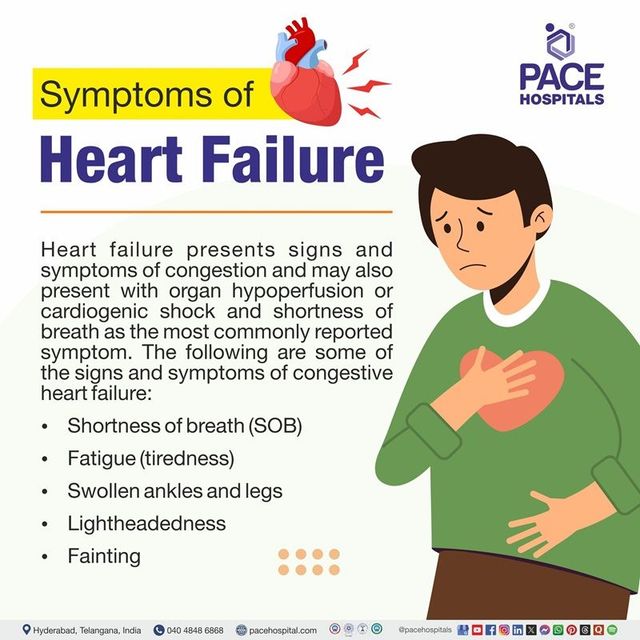
The most common symptoms are shortness of breath, fatigue, reduced exercise tolerance, ankle swelling, orthopnea, and paroxysmal nocturnal dyspnea. Common signs include elevated jugular venous pressure, lung crackles, pitting edema, tachycardia, displaced apex beat, S3 gallop, hepatomegaly, and ascites. [web:3][web:9][web:14]
Symptoms people may notice
-
>Breathlessness on exertion or at rest.
>Waking up short of breath at night.
>Swollen ankles or legs.
>Fatigue and weakness.
>Weight gain from fluid retention.
>Reduced ability to exercise.
Examination findings
-
>Raised jugular venous pressure.
>Crackles in the lungs.
>Peripheral edema.
>S3 heart sound.
>Hepatomegaly or ascites in advanced disease.
Investigations
Initial assessment usually includes history, physical examination, ECG, chest X-ray, blood tests, natriuretic peptide testing, and echocardiography. Further tests may be needed to identify the underlying cause and severity. [web:14][web:16][web:12]
Useful tests
-
>ECG, to look for arrhythmia, ischemia, or old infarction.
>Chest X-ray, to assess pulmonary congestion, cardiomegaly, or another lung cause.
>BNP or NT-proBNP, to support or exclude heart failure.
>Echocardiogram, the key test to assess ejection fraction and structure.
>Blood tests, including full blood count, renal function, liver function, thyroid tests, and electrolytes. [web:16][web:14][web:8]
>Troponin if acute coronary syndrome is suspected.
>Further ischemia testing if coronary disease is suspected. [web:14][web:6]
Differential diagnosis
Several conditions can mimic heart failure, including COPD, pneumonia, pulmonary embolism, renal failure, cirrhosis, nephrotic syndrome, pulmonary fibrosis, pericardial disease, anemia, and primary pulmonary hypertension. [web:3][web:10]
Diagnosis
The diagnosis is usually clinical first, then confirmed with objective testing, especially echocardiography and natriuretic peptides. The diagnosis also requires identification of structural or functional heart abnormality and assessment of the likely cause. [web:7][web:14][web:5]
Typical diagnostic pathway
-
>Recognize symptoms and signs suggestive of heart failure.
>Order ECG, chest X-ray, and blood tests.
>Check BNP or NT-proBNP when available.
>Perform echocardiography to define ejection fraction and structural disease.
>Investigate for ischemic, valvular, hypertensive, or rhythm-related causes. [web:14][web:16][web:6]
Treatment
Treatment depends on the type and cause of heart failure, but usually combines lifestyle changes, medicines, device therapy in selected patients, and treatment of the underlying cause. Guideline-directed treatment improves symptoms and can reduce hospitalizations and mortality. [web:2][web:7][web:5]
Medicines commonly used
-
>Diuretics for fluid overload.
>ACE inhibitors or ARBs.
>ARNI where appropriate.
>Evidence-based beta blockers.
>Mineralocorticoid receptor antagonists.
>SGLT2 inhibitors such as dapagliflozin or empagliflozin. [web:15][web:13][web:17]
Other treatments
-
>Salt restriction and fluid advice when indicated.
>Cardiac rehabilitation and exercise training.
>Treatment of ischemia, hypertension, arrhythmia, valvular disease, and diabetes.
>ICD or CRT in selected patients.
>Mechanical support or heart transplantation in advanced disease. [web:7][web:5][web:8]
Prognosis
Prognosis depends on the underlying cause, ejection fraction, age, kidney function, sodium level, blood pressure, COPD, atrial fibrillation, and whether the patient has repeated admissions. Heart failure remains a serious chronic illness, but early diagnosis and modern therapy improve outcomes. [web:20][web:23][web:7]
Roles in care
Good heart failure care is multidisciplinary. Doctors, nurses, pharmacists, dietitians, physiotherapists, and heart failure specialists all play important roles in diagnosis, education, monitoring, medication titration, and long-term follow-up. [web:8][web:7]
-
>Doctors: confirm the diagnosis, identify the cause, and prescribe treatment.
>Nurses: monitor symptoms, reinforce education, and support adherence.
>Pharmacists: help with safe medication use and titration.
>Dietitians: support salt, fluid, and weight management.
>Patients and families: track symptoms, take medicines correctly, and seek help early. [web:8][web:25]
Prevention and risk reduction
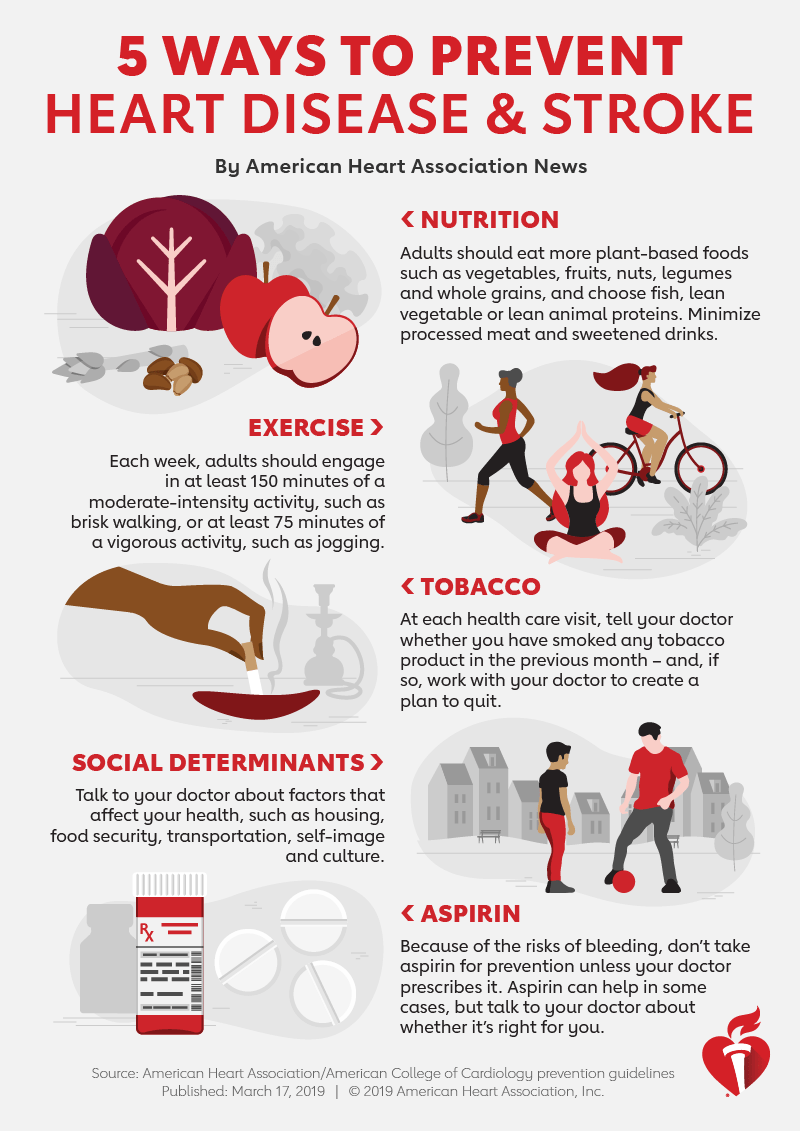
Prevention focuses on controlling blood pressure, cholesterol, blood sugar, weight, smoking, sleep, physical activity, and healthy diet. Preventing or aggressively treating coronary artery disease, hypertension, diabetes, and obesity reduces the risk of developing heart failure. [web:22][web:19][web:28]
How to reduce risk
-
>Keep blood pressure under control.
>Stop smoking and avoid recreational drugs.
>Limit alcohol intake.
>Exercise regularly.
>Maintain a healthy body weight.
>Control diabetes and cholesterol.
>Follow prescribed medicines for heart disease. [web:19][web:22][web:25]
For readers, the key message is simple: heart failure is serious, but with early diagnosis, the right medicines, lifestyle support, and follow-up, many people live better and longer. [web:2][web:5][web:7]


Comments