Short-Chain Fatty Acids: The Unsung Heroes of Gut Health and Immunity
Discover how these powerful metabolites protect your intestinal barrier and supercharge your immune system
Introduction: Meet Your Gut's Best Friends
Deep within your colon, a remarkable transformation is taking place. The food you eat—specifically dietary fiber—is being fermented by trillions of beneficial bacteria into powerful compounds that protect your health from the inside out. These compounds are short-chain fatty acids (SCFAs), and they're revolutionizing our understanding of gut health, immunity, and disease prevention.
In this comprehensive guide, we'll explore how SCFAs work as your intestine's primary defenders, strengthening your gut barrier and orchestrating a sophisticated immune response that keeps you healthy.
What Are Short-Chain Fatty Acids?
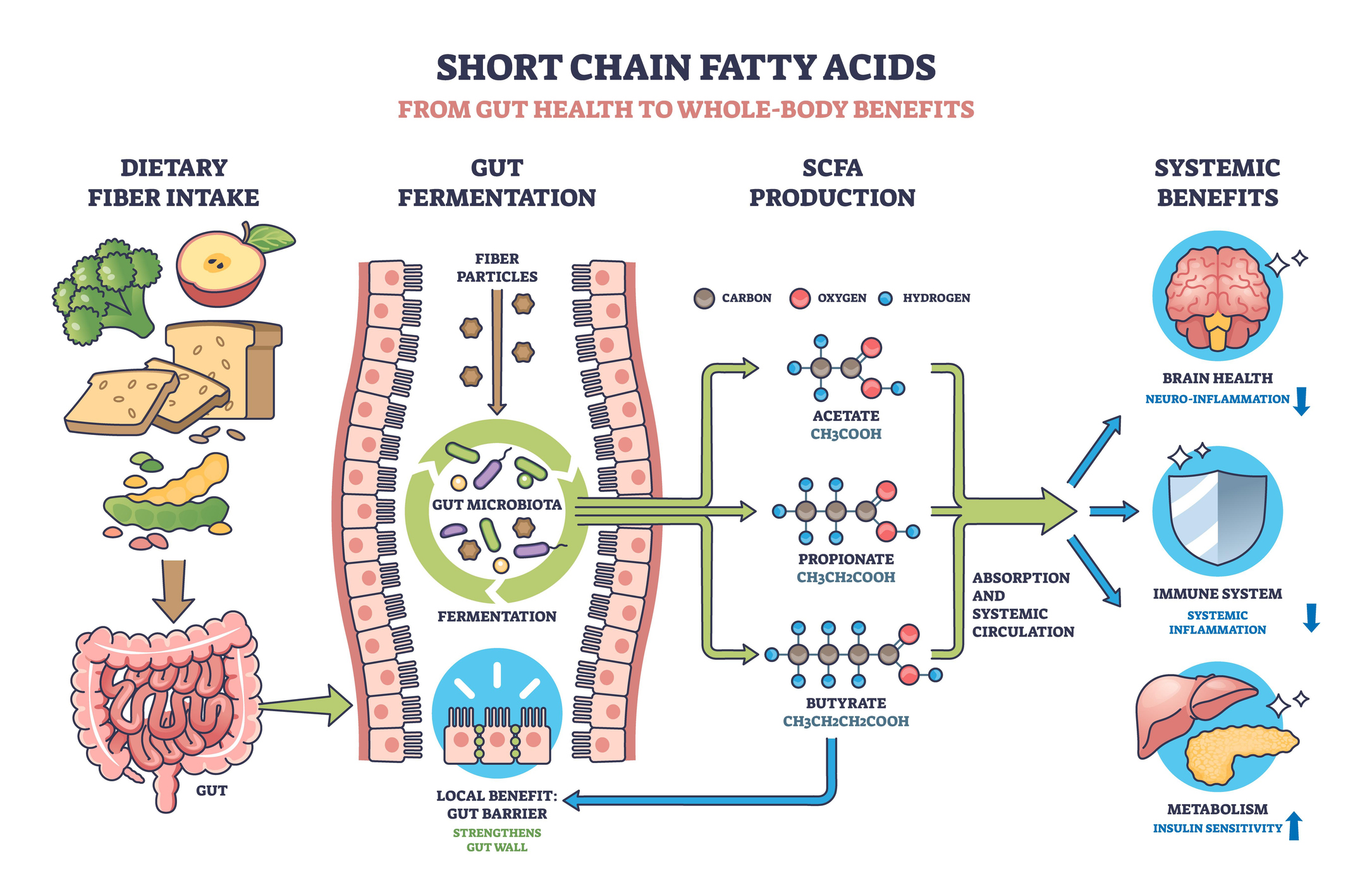
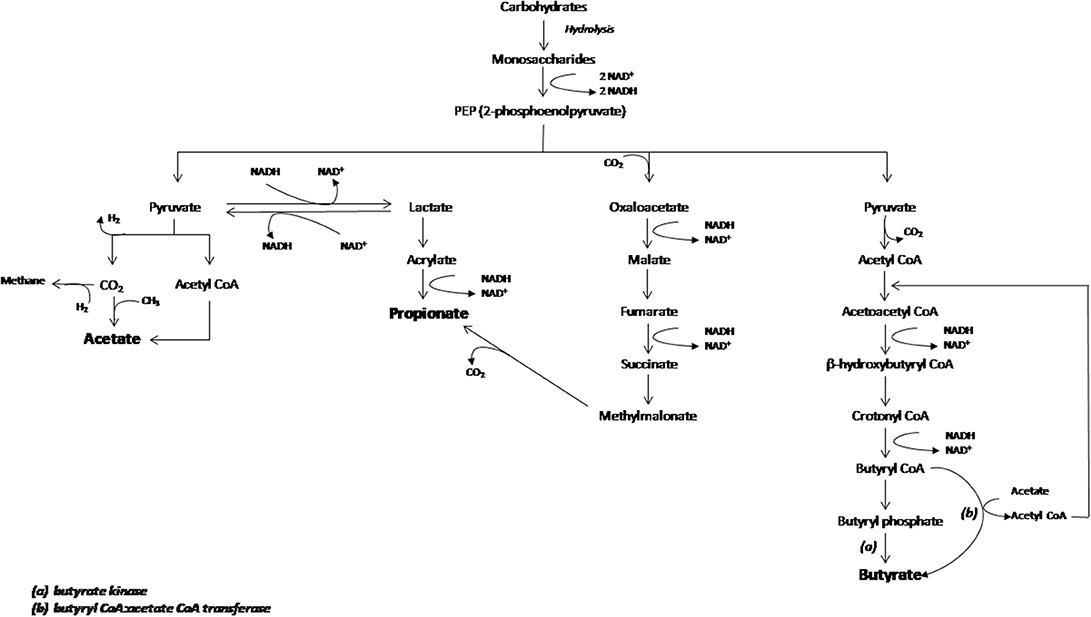
SCFAs are organic fatty acids with 1-6 carbon atoms produced when beneficial gut bacteria ferment dietary fiber. The three most important SCFAs for human health are:
- Acetate (C2) - The most abundant SCFA
- Propionate (C3) - Key for metabolic health
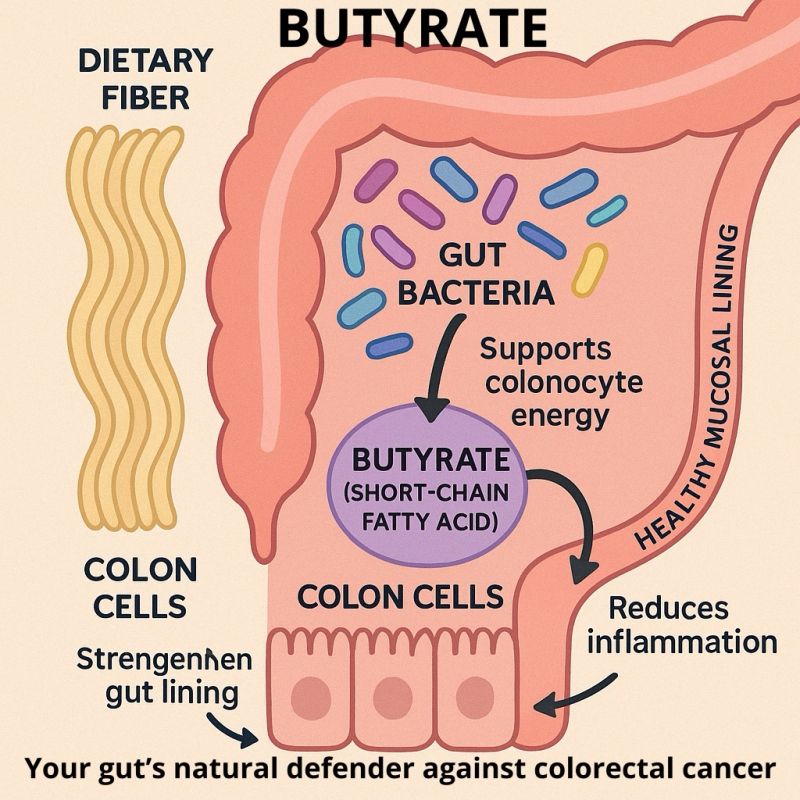
- Butyrate (C4) - The superstar for colon health
The Production Process
The journey from fiber to SCFAs is fascinating:
- You consume fiber-rich foods - whole grains, vegetables, fruits, legumes, nuts
- Fiber reaches the colon undigested - unlike other nutrients, fiber isn't absorbed in the small intestine
- Gut bacteria ferment the fiber - beneficial bacteria break down fiber through anaerobic fermentation
- SCFAs are produced - primarily acetate, propionate, and butyrate
- SCFAs exert their effects - locally in the gut and systemically throughout the body
The Intestinal Barrier: Your Body's First Line of Defense
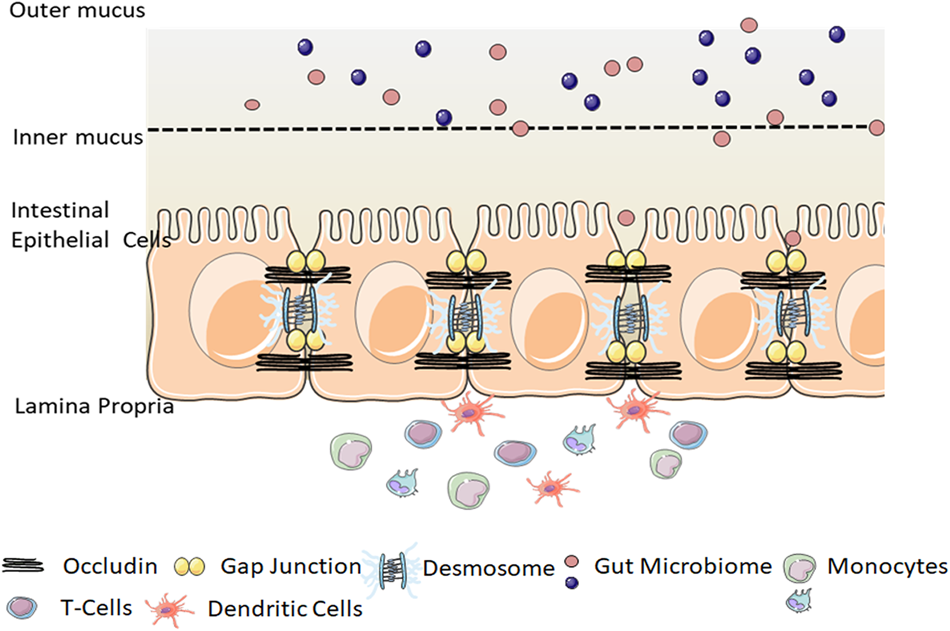
Your intestinal lining is more than just a digestive surface—it's a sophisticated barrier that separates your internal environment from the external world. This barrier is only one cell thick, yet it must:
- Allow nutrients to pass through
- Block harmful pathogens and toxins
- Maintain selective permeability
- Communicate with the immune system
How SCFAs Strengthen the Gut Barrier
SCFAs, particularly butyrate, are essential for maintaining intestinal integrity through multiple mechanisms:
1. Fueling Colonocytes
Butyrate serves as the primary energy source for colonocytes (colon cells), providing up to 70% of their energy needs. Well-fueled colonocytes maintain a strong, healthy barrier.

2. Tightening Tight Junctions
SCFAs enhance the expression of tight junction proteins (occludin, claudins, and ZO-1) that seal the gaps between intestinal cells, preventing "leaky gut."
3. Boosting Mucus Production
SCFAs stimulate goblet cells to produce more mucin, creating a thicker mucus layer that:
- Physically separates bacteria from the intestinal lining
- Traps pathogens before they can cause harm
- Provides a habitat for beneficial bacteria
4. Lowering pH
SCFAs lower the luminal pH, creating an environment that:
- Inhibits growth of pathogenic bacteria
- Promotes growth of beneficial bacteria
- Enhances mineral absorption
SCFAs and Intestinal Immunity: The Dynamic Duo
Your gut houses approximately 70% of your entire immune system. SCFAs play a crucial role in modulating this vast immune network, acting as both peacekeepers and defenders.
Anti-Inflammatory Powerhouses
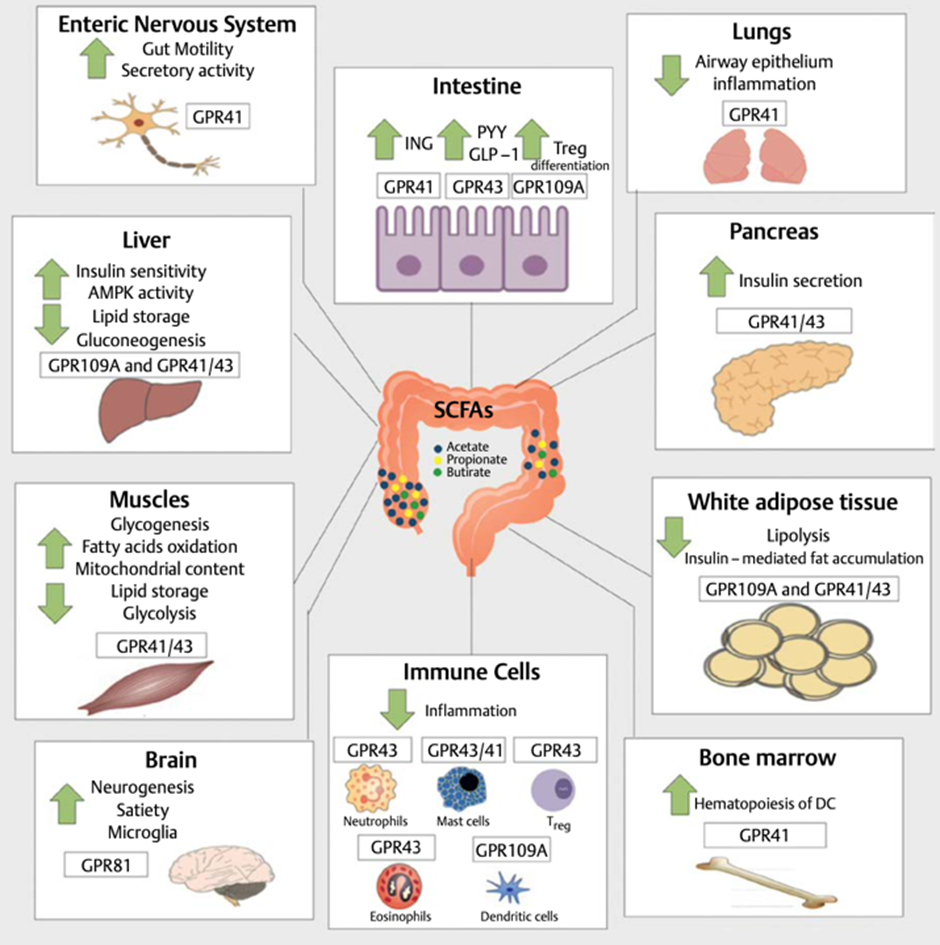
SCFAs are potent anti-inflammatory agents that work through multiple pathways:
NF-κB Inhibition
SCFAs block the activation of Nuclear Factor-kappa B (NF-κB), a master regulator of inflammation. This prevents the cascade that leads to production of pro-inflammatory cytokines like:
- TNF-α (Tumor Necrosis Factor-alpha)
- IL-6 (Interleukin-6)
- IL-1β (Interleukin-1 beta)
T-Regulatory Cell Development
Butyrate and propionate promote the differentiation and function of regulatory T cells (Tregs), which:
- Suppress excessive immune responses
- Prevent autoimmune reactions
- Maintain immune tolerance to harmless antigens
- Reduce chronic inflammation
Immune Cell Modulation
SCFAs influence various immune cells in the gut:
- Dendritic Cells: SCFAs modulate dendritic cell function, promoting a tolerogenic phenotype that prevents unnecessary immune activation.
- Macrophages: They enhance the phagocytic activity of macrophages while reducing their production of inflammatory cytokines.
- Mast Cells: SCFAs stabilize mast cells, preventing excessive degranulation and allergic responses.
- Neutrophils: They regulate neutrophil migration and function, ensuring appropriate responses to pathogens without excessive tissue damage.
The Gut-Immune Axis in Action

SCFAs don't just work locally—they enter systemic circulation and influence immune function throughout the body, explaining why gut health impacts conditions as diverse as:
- Allergies and asthma
- Autoimmune diseases
- Skin conditions
- Respiratory infections
When SCFA Levels Drop: The Consequences
Reduced SCFA production is associated with numerous health conditions:
Inflammatory Bowel Disease (IBD)
Patients with Crohn's disease and ulcerative colitis consistently show:
- Lower fecal SCFA concentrations
- Reduced diversity of SCFA-producing bacteria
- Impaired butyrate metabolism
Metabolic Disorders
Low SCFA levels are linked to:
- Obesity
- Type 2 diabetes
- Metabolic syndrome
- Insulin resistance
Other Conditions
- Colorectal cancer
- Cardiovascular disease
- Neurodegenerative disorders
- Allergic diseases
How to Boost Your SCFA Production
The good news? You can significantly increase your SCFA levels through dietary and lifestyle changes.
1. Increase Dietary Fiber Intake
Aim for 25-38 grams of fiber daily from diverse sources:
- Resistant Starch: Cooked and cooled potatoes, Green bananas, Legumes, Whole grains
- Inulin and Fructooligosaccharides (FOS): Chicory root, Jerusalem artichokes, Garlic, Onions, Asparagus
- Pectin: Apples, Citrus fruits, Carrots
- Beta-Glucans: Oats, Barley, Mushrooms
2. Feed Your Beneficial Bacteria
Include prebiotic foods that specifically nourish SCFA-producing bacteria:
- Garlic, onions, leeks
- Dandelion greens
- Jerusalem artichokes
- Acacia fiber
3. Diversify Your Diet
Different fibers feed different bacteria. Eat a wide variety of plant foods (aim for 30+ different plants per week) to support diverse SCFA production.
4. Consider Fermented Foods
While they don't directly provide SCFAs, fermented foods support a healthy microbiome:
- Yogurt
- Kefir
- Sauerkraut
- Kimchi
- Kombucha
5. Avoid SCFA-Depleting Factors
- Excessive antibiotic use
- Highly processed foods
- Excessive alcohol
- Chronic stress
The Science Behind SCFAs: Key Research Findings
Recent studies have revealed remarkable insights:
- Butyrate and Colon Cancer Prevention: Butyrate induces apoptosis (programmed cell death) in colon cancer cells while promoting healthy cell differentiation.
- Propionate and Appetite Control: Propionate stimulates the release of satiety hormones (PYY and GLP-1), helping regulate food intake.
- Acetate and Metabolic Health: Acetate improves insulin sensitivity and may protect against obesity.
- SCFAs and the Gut-Brain Axis: Emerging research shows SCFAs influence brain health, potentially protecting against neurodegenerative diseases.
Practical Tips for Optimizing SCFA Benefits
Start Your Day Right
- Overnight oats with berries and chia seeds
- Whole grain toast with avocado
Smart Snacking
- Apple slices with almond butter
- Raw vegetables with hummus
- A handful of nuts
Lunch & Dinner Strategies
- Make half your plate vegetables
- Choose whole grains over refined
- Include legumes in meals
- Add resistant starch (cooled potatoes, rice)
The Bottom Line
Short-chain fatty acids are far more than simple metabolic byproducts—they're essential signaling molecules that:
- Strengthen your intestinal barrier
- Modulate immune function
- Reduce inflammation
- Protect against disease
- Support overall health
By prioritizing fiber-rich foods and nurturing your gut microbiome, you're investing in one of the most powerful health strategies available: harnessing the natural power of SCFAs.
Your gut bacteria are working hard to produce these beneficial compounds. It's time to give them the fuel they need.
References & Further Reading
- National Institutes of Health (NIH) research on SCFAs and gut health
- Nature Reviews: "The role of short-chain fatty acids in microbiota–gut–brain communication"
- ScienceDirect: "Short-chain fatty acids in inflammatory bowel disease"
- Frontiers in Immunology: "SCFA-mediated immune modulation"
Disclaimer: This article is for informational purposes only and does not constitute medical advice. Consult with a healthcare provider before making significant dietary changes, especially if you have underlying health conditions.


Comments